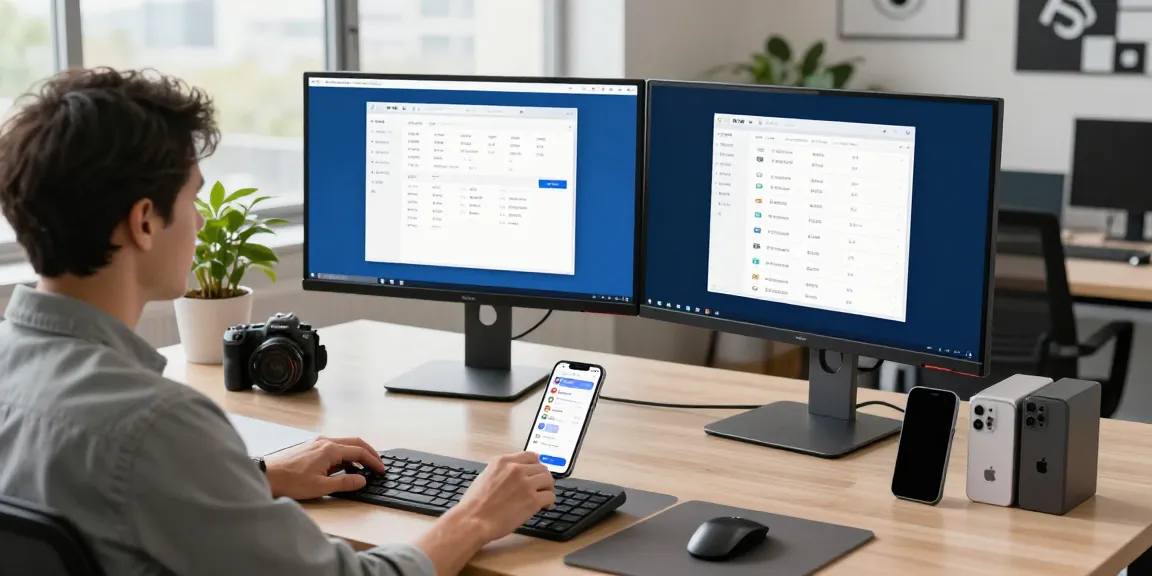

Understanding Internal Tools and AI Integration
In today’s fast-paced business environment, efficiency and agility are paramount. Internal tools play a critical role in optimizing workflows, improving communication, and enhancing productivity across teams. With the rapid advancements in artificial intelligence (AI), organizations now have the opportunity to streamline their processes by leveraging AI to build custom internal tools tailored to their unique needs. Specifically, to build internal tools with AI offers a transformative approach that enables non-technical users to develop effective solutions quickly and without extensive coding knowledge.
What Are Internal Tools?
Internal tools are applications or systems designed to facilitate and automate various business processes within an organization. These tools can range from simple spreadsheet applications to more complex systems like customer relationship management (CRM) software, project management tools, and data analytics dashboards. The primary goal of internal tools is to enhance collaboration, streamline operations, and improve overall efficiency.
How AI Enhances Internal Tool Development
Artificial intelligence introduces several enhancements to the development of internal tools, making it easier for organizations to harness data and automate processes. AI can analyze large datasets, identify patterns, and generate insights that inform decision-making. Moreover, AI-driven tools can adapt and learn from user behavior, making them more intuitive and user-friendly. This means that even without extensive programming knowledge, teams can leverage AI to create internal tools that are responsive to their needs.
Benefits of Building Internal Tools with AI
- Increased Efficiency: Automating routine tasks with AI saves time and reduces the likelihood of human error.
- Customization: Organizations can tailor their internal tools to meet specific workflows and operational requirements.
- Enhanced Data Insights: AI can process and analyze data far beyond human capacity, offering valuable insights that can drive business strategy.
- Lower Costs: Reducing reliance on third-party tools can cut costs associated with software licensing and integration.
- Scalability: AI-powered tools can easily grow alongside the organization, accommodating increased data volume and complexity.
Common Challenges in Developing Internal Tools
Identifying User Needs and Issues
One of the first hurdles in developing internal tools is accurately identifying the needs and pain points of users. Stakeholders must engage in thorough discussions and data gathering to ensure that the tools developed will address real issues rather than perceived ones. This process often involves workshops, surveys, and user testing to refine the tool’s functionality and usability.
Overcoming Technical Skills Barriers
Not all team members possess the technical skills necessary to develop or implement these tools. Organizations must prioritize training and support to empower non-technical users to leverage AI effectively. No-code or low-code platforms are becoming increasingly popular as they provide user-friendly interfaces for tool development without requiring extensive programming knowledge.
Managing Stakeholder Expectations
Another challenge is managing the expectations of stakeholders regarding the capabilities and timeline for tool development. It is essential to set realistic timelines and deliverables, keeping in mind the iterative nature of software development. Stakeholders need to understand that while AI can enhance capabilities, it is not a magic solution and requires careful planning and execution.
Step-by-Step Guide to Building Internal Tools with AI
Planning Your AI Tool Development
Effective planning is vital to the success of internal tool development. Begin by defining the primary objective of the tool, the problems it aims to solve, and the key features that need to be included. Collaborating with stakeholders early in this phase will help align goals and expectations.
Using No-Code Platforms for Implementation
No-code platforms are revolutionizing how organizations build internal tools by enabling teams to create applications without deep technical expertise. These platforms offer drag-and-drop interfaces, pre-built templates, and integrations with popular services, allowing users to quickly develop functional tools. Utilizing these resources can significantly accelerate the development process while ensuring that non-technical team members can contribute effectively.
Testing and Iterating Your Internal Tool
Once the initial version of the tool is developed, it should undergo rigorous testing to identify any bugs or usability issues. Gathering feedback from actual users during this phase is critical, as it provides valuable insights into how the tool performs in real-world scenarios. Iteration should be an ongoing process, with updates made based on user input and evolving business requirements.
Real-World Examples of Successful AI-Powered Internal Tools
Case Study: Streamlining Communication with AI Notifications
A leading logistics company implemented an AI-powered notification system that sends real-time updates to customers about their deliveries. By integrating an “On the Way” ETA notifier, the company reduced customer inquiries by 30%. This tool not only improved customer satisfaction but also freed up significant staff resources previously dedicated to handling inquiries.
Case Study: Automating Follow-Ups and Task Tracking
A mid-sized marketing agency faced challenges in managing client communications and project deadlines. They adopted an AI-driven tool that analyzed email threads and automatically generated follow-up reminders. This system improved their task tracking accuracy by 40%, ensuring that clients received timely updates and projects stayed on schedule.
Lessons Learned from Industry Leaders
Successful organizations recognize the importance of iterative development and user feedback. Regular check-ins with end-users to assess the tool’s effectiveness and areas for improvement can significantly enhance its value. Additionally, industry leaders emphasize the importance of training and support, ensuring that all team members can maximize the benefits of the new technology.
The Future of Internal Tools and AI Technology in 2026
Emerging Trends and Technologies
As we progress toward 2026, several trends are shaping the landscape of internal tools and AI technology. Low-code and no-code implementations are likely to dominate, enabling more organizations to develop custom solutions tailored to their unique needs. Additionally, advanced AI capabilities in natural language processing (NLP) will facilitate better communication between tools and users, further improving usability and efficiency.
Predictions for Business Process Automation
Business process automation will continue to evolve alongside AI advancements. As organizations increasingly recognize the potential of automation to enhance operational efficiency, we can expect to see a rise in AI-powered tools that automate complex workflows, integrate seamlessly with existing systems, and provide actionable insights from data analysis.
Preparing Your Team for the Future of Work
To prepare for this future, organizations should invest in continuous training for their teams to ensure they remain proficient in using new tools and technologies. Cultivating a culture of innovation and adaptability will be crucial as companies navigate the rapidly changing technological landscape.
How Can AI Influence Internal Tool Trends?
AI is set to redefine internal tool development by offering smarter, more efficient solutions that cater to user needs. As AI technology matures, expect to see tools that can proactively recommend actions based on historical data, helping teams to work more efficiently and make better-informed decisions.
What Are the Key Metrics for Success in Internal Tool Development?
Organizations must define clear metrics to assess the success of internal tools. Key performance indicators (KPIs) might include user adoption rates, time saved on tasks, improved communication efficiency, and user satisfaction ratings. Regularly monitoring these metrics will inform future iterations and enhancements.
How to Ensure Security and Compliance with Internal Tools?
Security and compliance are critical considerations in the development of internal tools. Organizations should implement best practices such as user authentication, data encryption, and regular audits to safeguard sensitive information. Additionally, staying informed about regulations and industry standards will help ensure compliance throughout the tool’s lifecycle.
What Are the Most Common Misconceptions About AI in Tool Development?
One of the most prevalent misconceptions is that AI can completely replace human input in tool development. While AI can automate many processes, human oversight is essential to ensure tools meet the organization’s needs effectively. Another misconception is that AI tools are only beneficial for large organizations; however, even small businesses can leverage AI to enhance their operations significantly.
How Can Non-Technical Teams Leverage AI for Building Tools?
Non-technical teams can leverage AI by utilizing no-code platforms that provide intuitive interfaces for tool development. Additionally, engaging with AI through user-friendly applications can unlock powerful capabilities without requiring extensive technical skills. Collaborating with technical teams can bridge the gap, enabling non-technical teams to harness AI effectively while benefiting from technical expertise.